
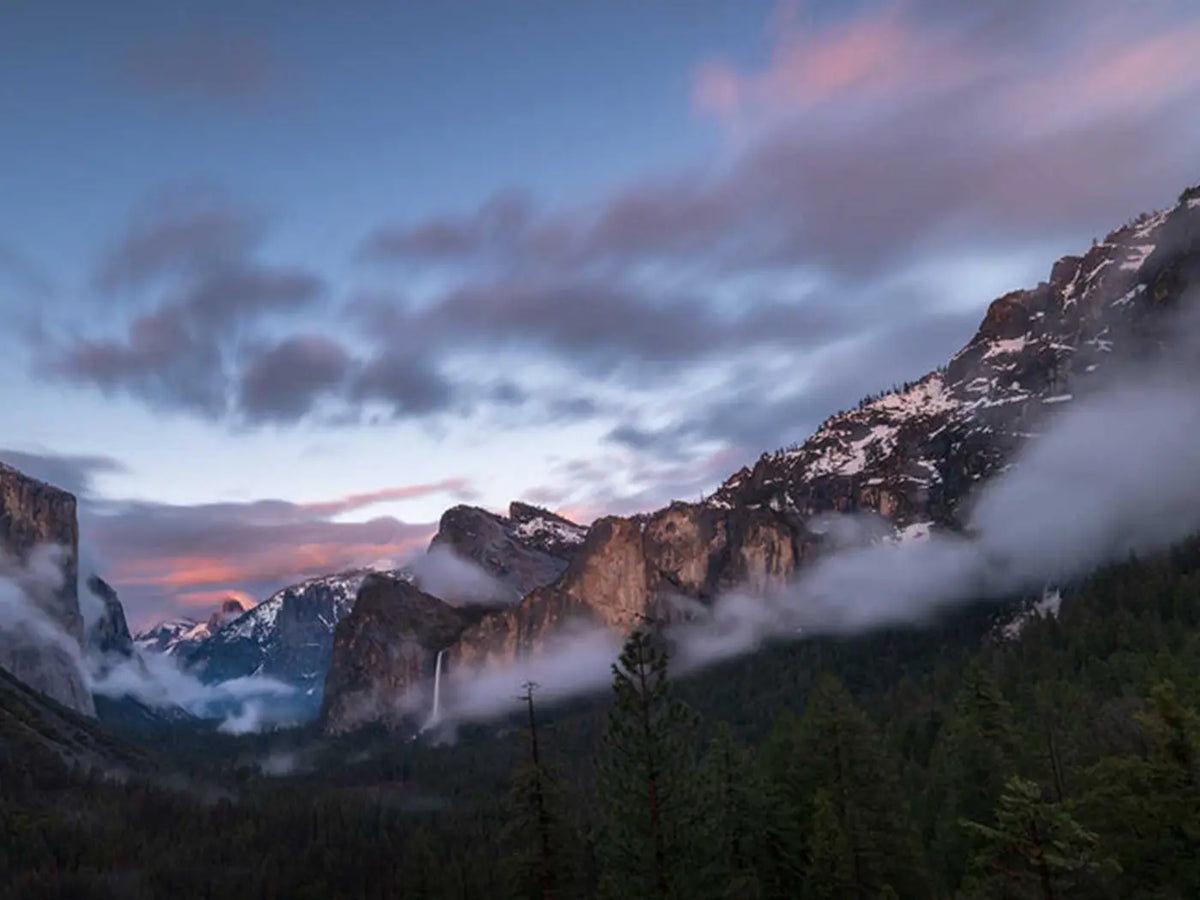
In the second part of our series on filter photography, photographer Frank Fischer explains the purpose of graduated neutral density filters and how to use them for effective landscape photos.
Using Graduated Neutral Density Filters
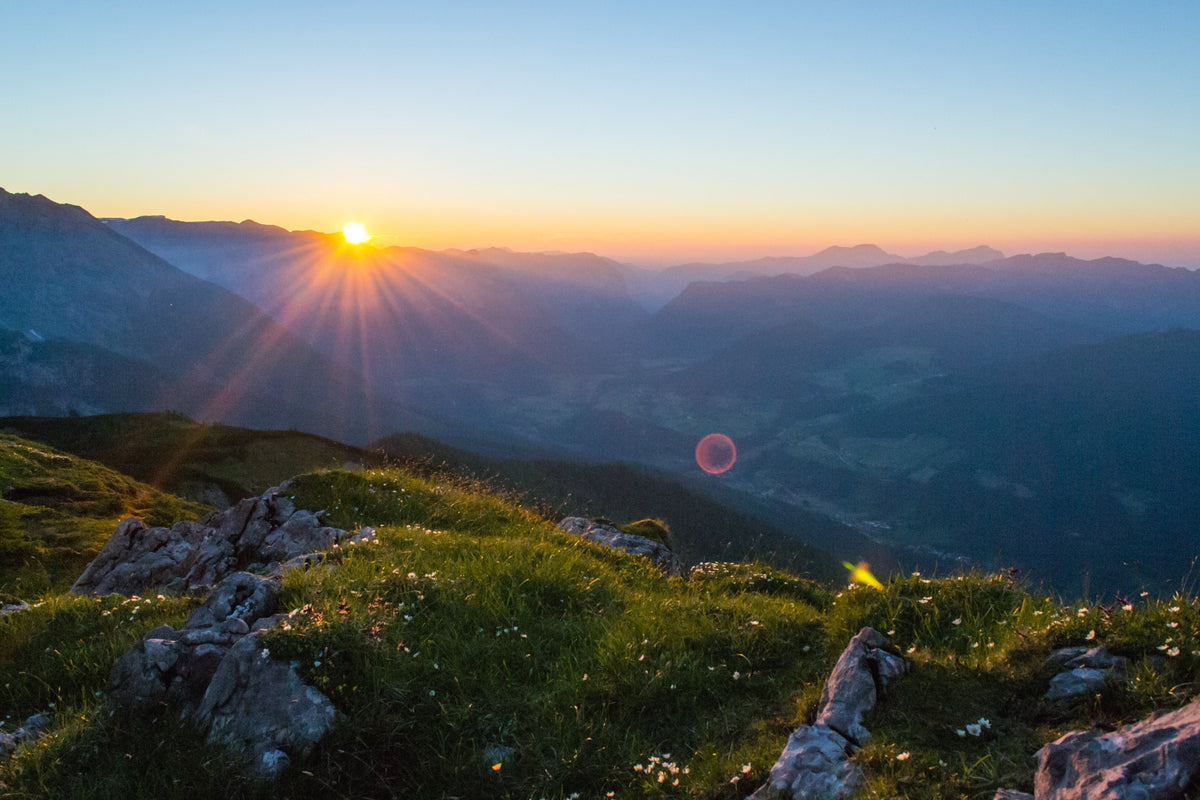
Graduated neutral density filters (GND filters) are one of the most important tools for me in landscape photography. The best times for the ambitious landscape photographer are without a doubt the morning and evening hours. During these times, the sun is low, the light is rather soft and bathes the sky in wonderful colors. At the same time, the low sun increases the contrast between the sky and the foreground, and even modern digital cameras are increasingly struggling to expose both the wonderful color spectacle of the sky and the foreground in a balanced way.
As a rule, the foreground is then too dark and the sky too bright. The shooting situation practically screams for a graduated neutral density filter, with which the sky can be darkened. This also has the advantage that the exposure time can be a little longer overall, which makes the foreground brighter again.
Graduated neutral density filters are offered by Rollei as rectangular filters. These have the great advantage that they can be moved vertically in the Filter Holder Mark II according to the horizon and also rotated at an angle in sloping terrain.
Learn more about the basics of filter photography here.
Share:
Basics of Long Exposure Photography
Video: The new continuous light Soluna II-60